myshopriteexperienceIn the 21st century, the intersection of technology and creativity has sparked a digital renaissance, reshaping the landscape of art, culture, and expression. As traditional artistic mediums blend with cutting-edge technologies, a new era of creativity emerges, challenging conventional norms and offering limitless possibilities. This article delves into the various facets of the digital renaissance, exploring how technology is influencing artistic creation, democratizing access to culture, and redefining the very essence of human expression.
costa vida surveymarshallsfeedbackI. Digital Artistry: Redefining Creation and Collaboration
costa feedbacktellmazziosDigital art has transcended the boundaries of traditional mediums, allowing artists to create immersive experiences that defy conventional constraints. From virtual reality installations to algorithmic art generated by artificial intelligence, the digital realm provides a canvas for experimentation and innovation. Collaboration between artists across the globe has been facilitated by digital platforms, fostering a global artistic community that transcends geographical limitations. This shift towards digital artistry challenges preconceived notions of authorship, inviting collective creation and blurring the lines between the artist and the audience.
cicisvisitraisingcanes.com/surveyII. Augmented Reality and Interactive Experiences
myconversevisittalktoihopThe advent of augmented reality (AR) has transformed how audiences engage with art and cultural experiences. Museums and galleries are incorporating AR to enhance exhibits, offering interactive elements that provide deeper insights into artistic works. Public spaces become canvases for augmented reality installations, merging the virtual and physical worlds to create dynamic and participatory experiences. This integration of technology enriches the viewer's connection with art, inviting them to become active participants in the creative process.
dressbarn feedback
III. Democratizing Access to Culture: The Digital Museum Revolution
Digital platforms have democratized access to cultural heritage, transcending geographical and economic barriers. Virtual museums and online exhibitions enable people worldwide to explore iconic artworks and artifacts without leaving their homes. The digitization of cultural archives preserves and disseminates heritage, ensuring that it remains accessible to future generations. However, questions of cultural ownership, authenticity, and the preservation of intangible cultural heritage arise as technology continues to redefine how we interact with and preserve our collective cultural identity.
IV. NFTs and the Digital Economy of Art
Non-fungible tokens (NFTs) have disrupted the traditional art market, providing a digital solution to the problem of ownership and provenance in the digital realm. Artists can tokenize their work, establishing a unique digital identity that can be bought, sold, and owned securely through blockchain technology. This innovation introduces new revenue streams for artists, but it also raises questions about the environmental impact of blockchain and challenges conventional notions of value and ownership in the art world.
V. Challenges and Ethical Considerations in the Digital Renaissance
The digital renaissance brings forth a range of challenges and ethical considerations. Issues of digital piracy, data privacy, and the impact of technology on cultural authenticity require careful consideration. As technology continues to evolve, it is essential to establish ethical frameworks that balance innovation with responsible use, ensuring that the digital renaissance contributes positively to the enrichment of global culture without compromising fundamental ethical principles.
The digital renaissance is a testament to the transformative power of technology in shaping artistic expression, cultural engagement, and the very fabric of human creativity. As we navigate this era of profound change, it is crucial to embrace the opportunities presented by the digital realm while addressing the challenges and ethical considerations that accompany these innovations. By fostering a collaborative and ethically conscious approach, the digital renaissance has the potential to democratize culture, amplify diverse voices, and redefine the boundaries of what is possible in the ever-evolving tapestry of human expression.
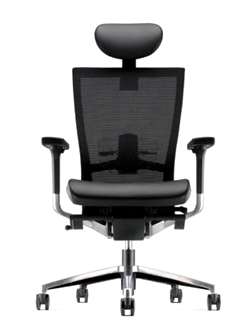
Established in the year of 2020, Dynego is an embodiment of our vision to create innovatively designed world-class chair products at affordable prices for this latest century work spaces.